Projects
A selection of geospatial analysis, deep learning, and applied research projects built across conservation, urban planning, and infrastructure domains.
Selected Work
Research and applied projects
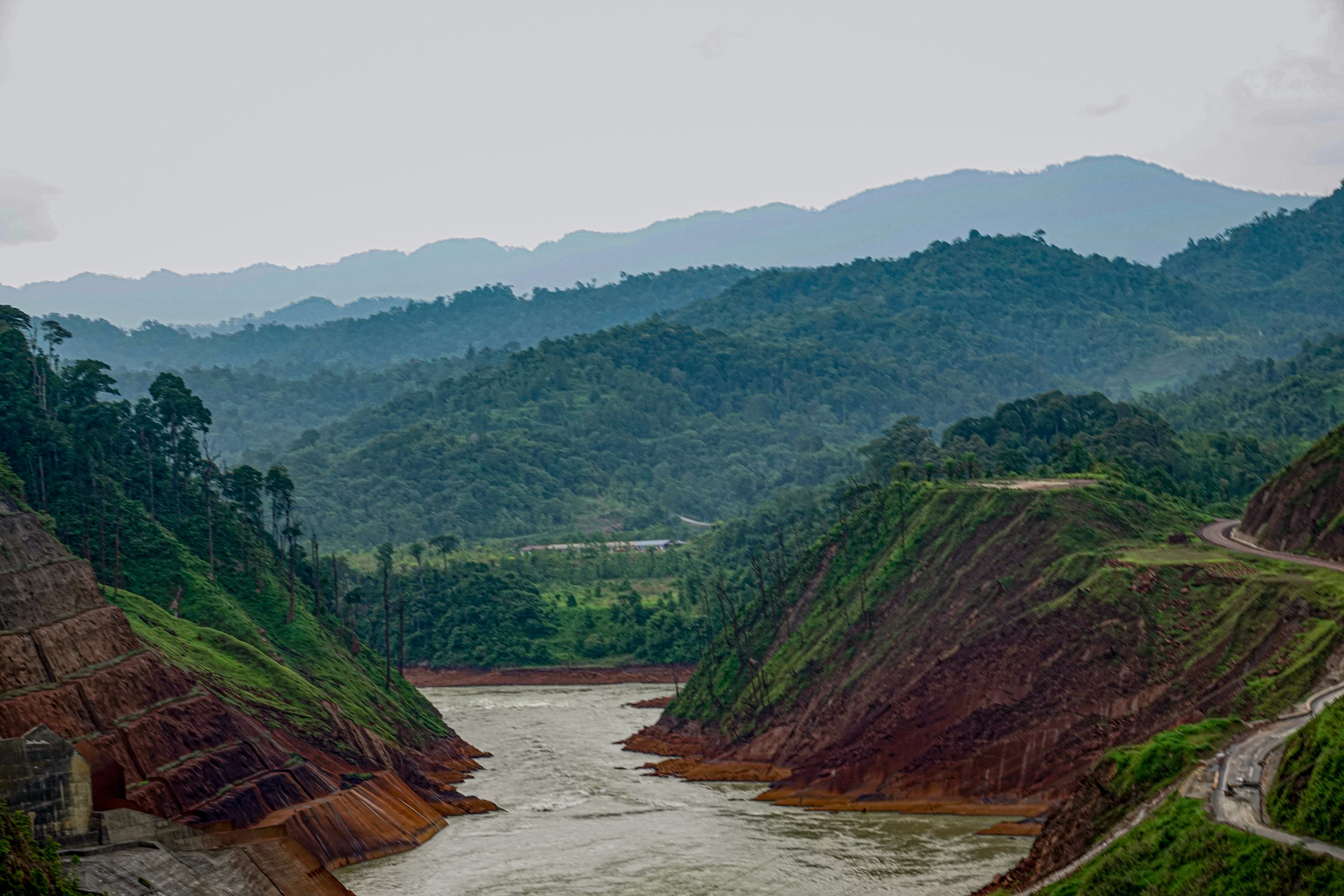
Spatial analysis of conservation funding flows across sub-Saharan Africa. Evaluates whether funding across 53 African countries aligns with ecological value using biodiversity records, funding data, and geospatial biodiversity intactness metrics.
Overview
This project evaluates whether conservation funding across Africa is aligned with ecological value, combining biodiversity records, funding data, and geospatial biodiversity intactness metrics across all 53 African countries.
Problem Statement
Conservation funding is unevenly distributed. The project answers: Are biodiversity-rich countries receiving adequate funding? Does funding align with biodiversity intactness? Which countries should be prioritized?
Key Findings
Mean funding per country is $8.34M but heavily right-skewed. Several high-biodiversity countries are significantly underfunded:
| Country | Species Count | Funding (M USD) |
|---|---|---|
| Ethiopia | 70 | 4.01 |
| Zimbabwe | 60 | 4.07 |
| Tunisia | 59 | 0.00 |
| Uganda | 58 | 2.86 |
| Nigeria | 57 | 2.64 |
Countries with high Biodiversity Intactness Index scores are also under-protected, representing missed opportunities for preventative investment.
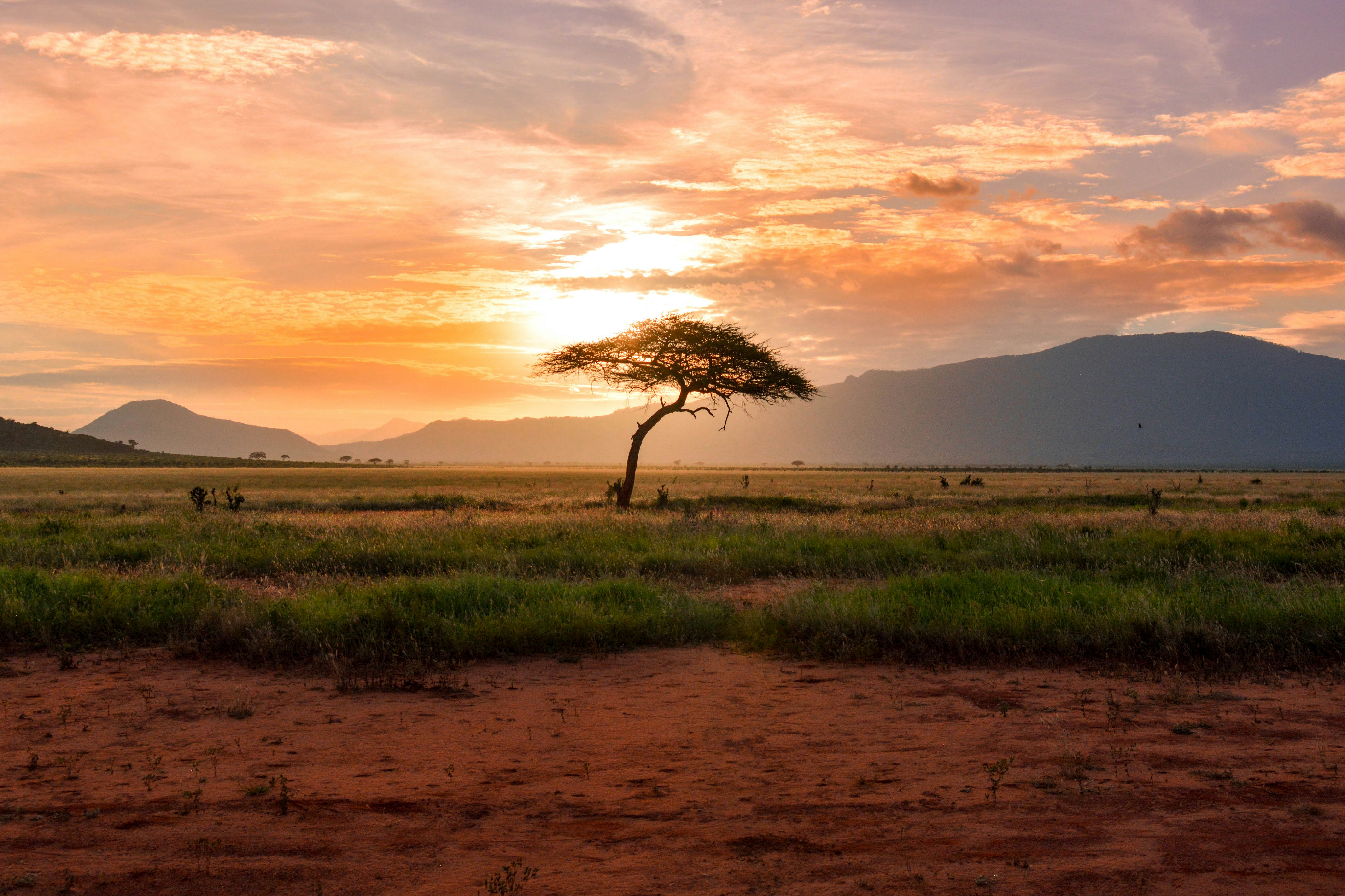
An end-to-end ArcGIS platform built for the Taita Taveta Wildflife Conservation Area (TTWCA), supporting wildlife corridor identification, visitor impact monitoring, and tourism planning across one of East Africa's most ecologically significant landscapes.
Commissioned by TTWCA, this project delivered a commercial-grade geospatial platform integrating ArcGIS Experience Builder, Dashboards, Survey123, and StoryMaps into a unified web application. ArcGIS Online solutions were configured to manage and share spatial data supporting wildlife corridor identification and tourism planning, with Python (ArcPy) used to automate spatial analysis workflows. Real-time data collection and field monitoring were enabled through Survey123 and Dashboards, while interactive StoryMaps and a tourist site locator app were developed to make ecotourism data accessible to conservation and tourism stakeholders. The project evolved from a working prototype into a fully deployed commercial product-TTWCA - Digital Circuit Map.
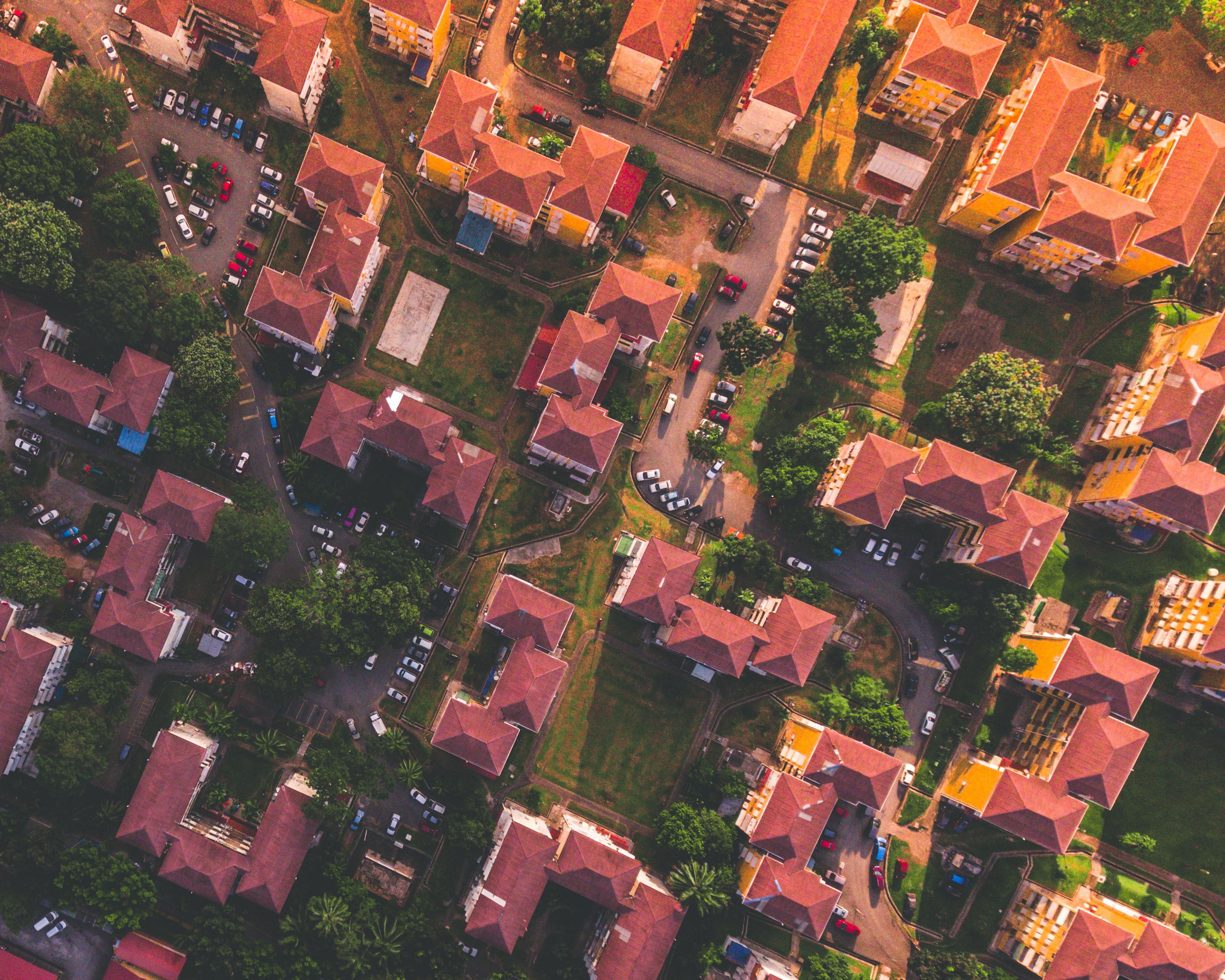
MSc thesis project applying deep learning and computer vision to Google Street View and imagery to score pedestrian environment quality and proximity to green public open spaces across the City of Tshwane. Scene classification models trained with PyTorch and TensorFlow.